When Should Dentists Choose PFM Yellow Gold Crowns for Posterior Teeth?
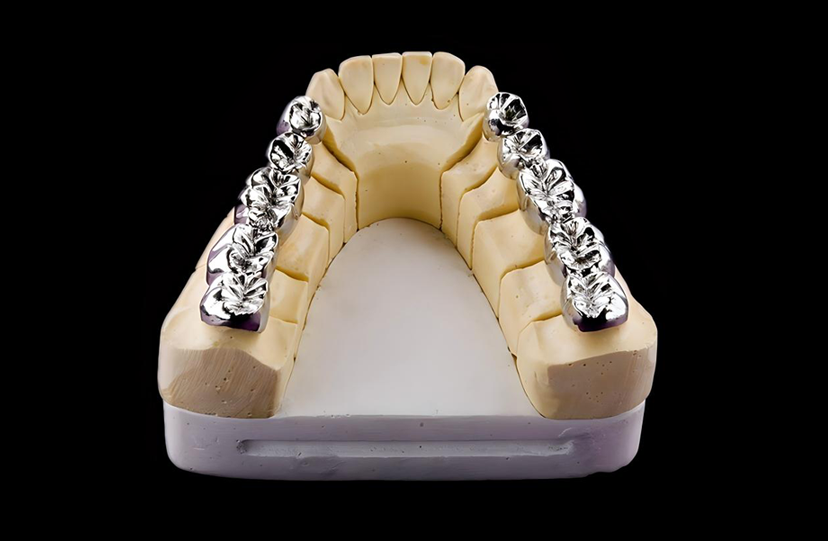
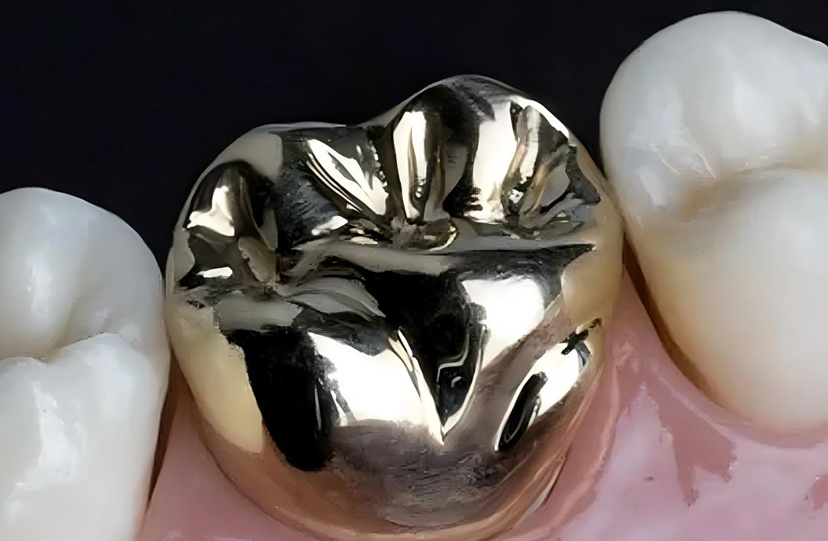
When treating patients with bruxism, heavy occlusal forces, or limited vertical space, especially in areas that aren't important for looks, like the molars, dentists should consider PFM Yellow gold crowns for the back teeth. The high amount of noble metals can provide biocompatibility, accurate marginal adaptation, and wear characteristics that are compatible with natural enamel. PFM Yellow gold is a suitable material for long-term posterior restorations when function is more important than appearance. With proper case selection, clinical placement, and maintenance, PFM Yellow gold crowns may provide long-term service, with some restorations remaining functional for several decades.
Introduction
For posterior restorations to work, they need to be long-lasting, precise, and in sync with the body. These are all factors that have a direct effect on the number of remakes, patient happiness, and long-term clinical results. High-noble PFM Yellow gold can perform well in the rear area, despite the popularity of modern materials like zirconia. Dental labs and prosthodontists all over the world recognize that gold alloys offer favorable handling, corrosion resistance, and opposing-tooth wear characteristics. Newer materials may have a harder time matching some of these qualities. Knowing when to choose yellow gold over other options can help reduce chairside adjustments, support restoration longevity, and help patients who value function and dependability understand the higher price.
What Are PFM Yellow Gold Crowns?
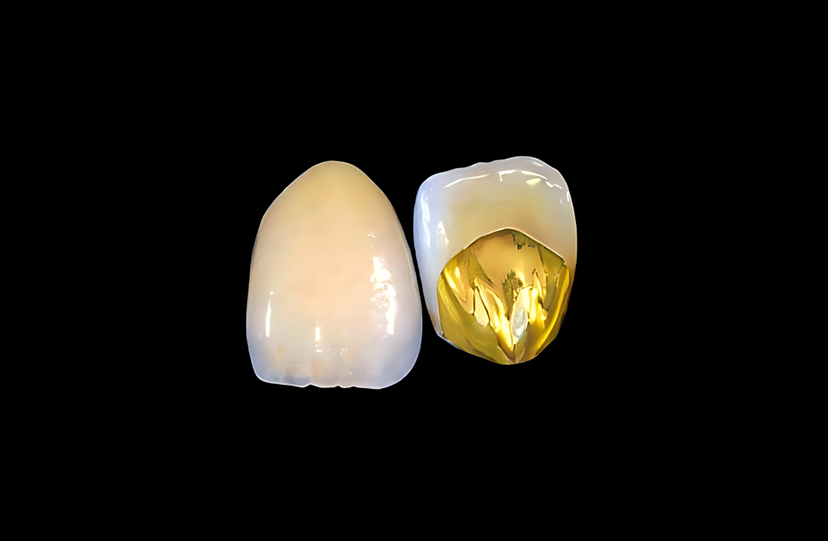
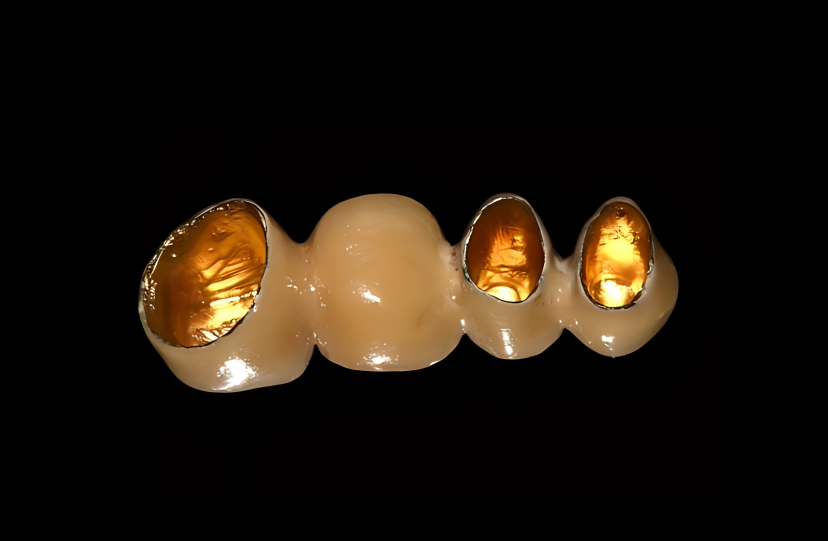
Porcelain-fused-to-metal yellow gold crowns have a high-noble metal base, which is usually gold mixed with copper, silver, palladium, or platinum, and feldspathic porcelain on top to make the crown look good on the face. The gold gives the structure strength and biocompatibility, and the porcelain layer lets you change the color and shape to suit your needs. This type of restoration strikes a good balance between mechanical strength and cosmetic adaptability, so it can be used in situations where metal occlusal surfaces or porcelain borders are needed.
Composition and Structure
The metal framework has a lot of gold in it, which makes it a "high noble" alloy according to ADA and ISO standards. Its warm yellow color sets it apart from white-gold or base-metal options, which changes both its optical qualities and how tissues react to it. The porcelain is put on using traditional hand-layering or pressing methods, and the metal coping is made to make sure that the face is at least 1.5–2.0 mm thick so that the color is properly hidden.
Manufacturing Techniques
Either the old-fashioned lost-wax casting method or precise digital CAD/CAM milling is used for production. In lost-wax casting, a wax design is first invested with a refractory material. This is followed by burnout and the input of liquid alloy. CAD/CAM milling tools make frames from gold alloy blocks that have already been sintered. This gives stable dimensional accuracy and faster response time. Both methods need careful attention to fit and occlusion, since the back of the mouth is where the most force is applied when chewing.

Benefits of PFM Yellow Gold for Posterior Teeth
Case acceptance, remake frequency, and patient retention are all directly affected by choosing the right material. Yellow gold PFM restorations have real benefits for patients and the practice itself, which can be measured in terms of how efficiently it runs.
Better Fit the First Time: Because gold alloys are more easily shaped and cast, lab workers can achieve accurate marginal adaptation with fewer changes needed at the chairside. Clinics may experience shorter chair appointments and fewer occlusal equilibrations depending on the case and preparation.
Lower Remake Rates: High-noble alloys can maintain their shape during porcelain firing cycles, which can help reduce distortion that causes open edges or contacts to form too soon. This may help reduce laboratory remakes and support more predictable delivery schedules.
Extreme Longevity: With proper care and maintenance, PFM Yellow gold restorations may provide long-term clinical service, with some restorations remaining functional for several decades. Actual service life depends on factors such as case selection, preparation, occlusion, oral hygiene, material quality, and maintenance.
Biocompatibility and Tissue Health: Gold alloys are generally resistant to corrosion in the oral environment and are widely used in dental restorations. Patients with metal sensitivity should be evaluated individually, as responses can vary between individuals and alloy compositions.
Advantages Over Alternative Materials
When dental professionals know how to set themselves apart from competitors, they can better explain their value propositions to buying managers and quality assurance teams who are looking at different supplier choices.
Enamel-Friendly Occlusal Behavior
The rate of wear on yellow gold can be similar to that of natural tooth enamel, so it may help protect opposing teeth when the restoration is properly designed and finished. Although zirconia has high strength, its effect on opposing teeth depends on factors such as surface finishing, occlusal contact, and clinical design. Gold's forgiving contact dynamics can be especially helpful for grinders and clenchers.
Warm Coloration Prevents Gingival Gray Lines
When gums recede, traditional base-metal PFMs can leave dark shadows along the edges of the gums. When revealed, the warm yellow tone of gold alloy may look more natural, reducing the appearance of dark lines that can concern patients and lead to remakes.
Superior Marginal Seal and Stability
Gold is very flexible, so it can be burnished and precisely shaped at the edges of the preparation. This can support close marginal adaptation. The alloy's thermal expansion coefficient is designed to be compatible with that of porcelain, which helps maintain the integrity of the layers during use and thermal cycling.
Versatility in Complex Cases
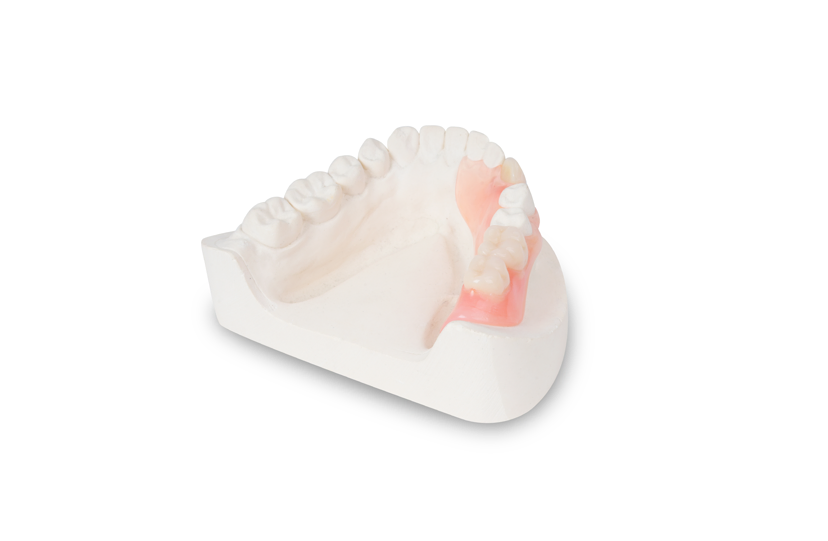
The high tensile strength can support long-span bridges when properly designed and indicated, allowing complex rehabilitations to be planned according to the specific clinical requirements. Additionally, yellow gold can be used with clips and cast partial denture frames, which can make treatment planning easier for cases that involve more than one type of tooth.
Disadvantages and Considerations
Talking openly about limits builds trust with buying teams that are looking at the total cost of ownership and whether the application is right for the job.
Esthetic Limitations in Front Areas: Because the metallic finish isn't tooth-colored, yellow gold isn't good for smile areas where patients want the colors to blend smoothly. The gold underneath may be able to be seen through thin tissue biotypes, even if the butt edges are made of porcelain.
Higher Material Cost: The prices of precious metals change with the prices of other commodities, which makes lab fees higher than for options made of base metals or ceramics only. Clinics have to explain price differences by considering material characteristics, expected service life, and potential remake requirements.
Preparation Needed: To get the right amount of porcelain for a PFM Yellow gold restoration, the teeth have to be ground down more deeply than with solid replacements. Cases with limited occlusal clearance might require a different material or the placement of a subgingival margin when using PFM Yellow gold. Careful treatment planning is important to ensure that the preparation provides enough space for the PFM Yellow gold framework and porcelain layers. In suitable cases, PFM Yellow gold can provide a practical combination of structural support and aesthetic coverage.
Problems with how patients see things: younger people often think of gold as old-fashioned dentistry and would rather have tooth-colored zirconia, even though material selection depends on clinical needs. Case acceptance depends on how well the patient is educated.
Comparison: PFM Yellow Gold vs. Zirconia vs. White Gold PFM
| Factor | PFM Yellow Gold | Monolithic Zirconia | White Gold PFM |
|---|---|---|---|
| Opposing Wear | Enamel-friendly; minimal wear | Can accelerate antagonist wear depending on surface and occlusion | Similar to yellow gold |
| Marginal Fit | Excellent; burnishable edges | Good; dependent on milling precision | Excellent; rigid framework |
| Longevity | Long-term service; case dependent | Long-term service; case dependent | Long-term service; case dependent |
| Gum Aesthetics | Warm gold line if exposed | No metal show | White/gray line if exposed |
| Material Cost | High (precious metal pricing) | Moderate | Very high (platinum/palladium) |
| Strength | High; suitable for properly designed long-span cases | Very high; suitable for a wide range of indications | Very high; extra rigidity |
| Bruxism Suitability | Good; accommodates functional forces | Good; case and occlusion dependent | Good; stiff framework |
Platinum and palladium are added to some types of white gold PFM to raise the melting point and make the metal more rigid. This makes them suitable for long-span bridges that need a stable framework. Yellow gold can be a suitable material for posterior restorations when opposing-tooth wear and functional requirements are important.
Clinical Indications: When to Specify Yellow Gold
Figuring out the right case types makes sure that the materials chosen meet the criteria for clinical success and meet the expectations of the patient.
Posterior Molars with Heavy Occlusal Load
Gold's shock-absorbing features can help patients with wear facets, broken cusps, or parafunctional habits. The material can distribute biting forces, which may lower stress at the edges and support structures.
Patients with Bruxism or Clenching
When you grind at night, you create very strong forces that can break brittle ceramics. Yellow gold can withstand repeated loading without chipping, and its enamel-like hardness can help reduce wear on opposing teeth. This can support the overall occlusal plan.
Limited Occlusal Clearance Scenarios
When vertical room limits the width of a material, PFM Yellow gold's strength-to-weight ratio lets frames be thinner than those made of zirconia or layered porcelain. With PFM Yellow gold full-metal contact surfaces, cases with a gap of 1 to 5 mm may still be considered. The thin structure of PFM Yellow gold restorations can provide useful space efficiency while maintaining functional strength. For cases with limited vertical clearance, PFM Yellow gold can therefore offer a practical balance between material thickness, durability, and clinical function.
Metal Sensitivity Patients
Compared to nickel or cobalt alloys, metals with a high noble content may be less likely to cause allergic reactions. Patients who are known to be highly sensitive to metals should be evaluated individually before selecting gold PFMs.
Long-Span Bridges and Combination Cases
Gold's flexibility and accuracy are used in attachment-retained prostheses, frameworks that work with removable partial dentures, and multi-unit restorations. The fact that the material can be used with both soldering and casting methods can make complicated lab processes easier.
Materials: Gold Alloy Composition and Properties
Materials science has a direct effect on clinical performance, manufacturing accuracy, and regulatory compliance. These are all important issues for quality assurance teams and buying managers in labs.
Alloy Composition Standards
High-noble yellow gold alloys usually have between 60 and 85% gold by weight, along with copper to make them harder, silver to make them easier to work with, and palladium or platinum to raise their melting points. The ADA classifies dental alloys according to their noble-metal content, with high-noble alloys containing at least 60% noble metal by weight. Alloy composition and properties should be confirmed through the manufacturer's technical documentation.
Physical and Mechanical Properties
Gold alloys are very flexible and easy to shape, which lets you do precise burnishing and margin adaptation. The elastic stiffness is lower than that of many base-metal alloys, which can influence stress distribution in the restoration. Thermal conductivity and dimensional stability are important considerations during porcelain firing and clinical use.
Biocompatibility and Tissue Response
Gold alloys are generally considered biocompatible and stable in physiological environments. Clinical studies support favorable tissue responses for many high-noble dental alloys. Because some alloys can participate in galvanic interactions when different metals come into contact with the mouth, alloy selection should consider the other metallic restorations present.
Manufacturing Workflow: From Design to Delivery
Production processes that work well support quick turnaround times and consistent quality, which are important for labs that serve DSO networks and clinics with a lot of patients.
Case Reception and Digital Design
Laboratories get intraoral scans or actual prints, along with instructions on how to choose a shade and prepare the teeth. CAD experts create metal frames that are the right thickness, have the right emergence profiles, and have the right connector measurements to make them strong.
Framework Fabrication
Casting Method: To cast, wax patterns are formed, invested in phosphate-bonded refractory material, and put through controlled burnout cycles. The mold cavity is filled with molten gold alloy that is either centrifugally cast or vacuum-drawn into it. The mold is then cleaned by removing residual investment material.
Milling Method: Five-axis CNC milling machines are used to shape pre-sintered gold alloy blocks. After milling, sintering makes the framework denser until it reaches the required hardness. The surface is then finished, and an oxidation process is used to help the porcelain join.
Porcelain Application
The yellow metal base is hidden by opaque layers. When high-quality visual standards are met, gold-tone opaque washes are used first, then high-value secondary opaques. The enamel and dentin porcelain layers are pressed or built up by hand, and then they are fired in furnaces that are set to exact temperatures to keep them from warping. Glaze firing finishes the surface of the ceramic.
Quality Control and Inspection
Fit verification on master dies, margin continuity checks under magnification, and occlusal contact maps are all things that every restoration goes through. Laboratories that follow ISO 13485:2016 keep records of test results and keep track of certifications for raw materials.
Turnaround Time and Logistics
Usually, it takes three to five days from receiving the PFM Yellow gold case to shipping it out. For urgent PFM Yellow gold cases, expedited services can deliver the next day through dependable express carriers, helping to keep treatment schedules on time. This fast turnaround for PFM Yellow gold restorations helps dental laboratories and clinics manage demanding treatment schedules efficiently. Reliable shipping services also ensure that PFM Yellow gold cases arrive safely and on time, supporting consistent workflow and patient care.
Cost Factors Influencing PFM Yellow Gold Pricing
Buying managers and clinic operations teams can figure out the total value and arrange supplier deals with the help of clear cost breakdowns.
Precious Metal Market Prices: The prices of gold and other metals change every day, which has a direct effect on the costs of alloys. Laboratories usually include metal content terms in their price quotes and change bills based on spot rates to keep their profit margins stable.
Manufacturing Difficulty: Cases that need custom frames, connection integration, or porcelain butt margins require more work and technical know-how, which drives up unit costs compared to standard full-coverage designs.
Customization Needs: Matching colors, giving characters, and making each body part unique take more time and materials for the technician. Premium prices are charged for high-aesthetic posterior cases with stained porcelain.
Order Quantity and Contract Terms: Labs can offer bulk discounts and better prices when they place orders for multiple units or sign long-term supply deals. When DSO networks negotiate yearly contracts, they get better delivery priority and lower costs per unit.
Regulatory Compliance and Certification: To obtain FDA registration, CE marking, or ISO 13485 certification, you need to have ongoing checks, paperwork systems, and programs that track materials. These quality investments support compliance and quality management, but they also add costs that are reflected in the prices.
Logistics and Fast Shipping: Standard ground delivery keeps costs low, while next-day air freight and rush production fees can meet crucial clinical deadlines. Clear fee structures keep charges from coming as a surprise during times of high demand.
How to Choose a Reliable Yellow Gold PFM Supplier
Choosing the right supplier has a direct effect on the number of remakes, the reliability of deliveries, and the security of long-term partnerships. These are all important issues for dental lab owners and clinic buying teams.
Manufacturing Capability and Technology
Check to see if the seller has their own casting and CAD/CAM milling tools or if they hire someone else to make the frames. Integrated sites keep a closer eye on quality and can turn things around faster than brokers who use outside suppliers.
Regulatory Certifications and Material Traceability
Check formal paperwork to make sure of FDA registration, CE compliance, and ISO 13485:2016 certification. To make sure that gold alloys contain the right amount of noble metals and are suitable for intended use, you should ask for reports of analysis and relevant material documentation.
Customization Flexibility
Check to see if the supplier can handle requests that aren't typical, like different margin designs, combination prostheses, attachment-retained frameworks, and color changes. Laboratories with skilled technicians and easy ways to talk to each other can easily adapt to the needs of each case.
Warranty and After-Sales Support
Make sure you understand what the warranty covers when it comes to manufacturing flaws, fit issues, and broken porcelain in PFM Yellow gold restorations. Suppliers with a good reputation may repair or replace damaged PFM Yellow gold items during certain guarantee periods, which are usually two years for fixed restorations. This can demonstrate confidence in the quality of their PFM Yellow gold products. A clear warranty for PFM Yellow gold restorations also gives buyers greater confidence in long-term product reliability and supplier support.
Communication Responsiveness
Language and time zone differences can make it take longer to clear up a case. Suppliers who offer specialized account managers, real-time chat platforms, and technical help in English cut down on misunderstandings and speed up the resolution of problems.
Production Capacity and Scalability
Check with the provider to make sure they can handle large orders without affecting quality or delivery times for DSOs and high-volume practices. Ask about daily output limits, worker levels, and plans for what to do if something goes wrong with the equipment.
Maintenance and Patient Care Instructions
When you use and take care of something the right way, it lasts longer, which protects the clinic's investment and reinforces value statements during patient education talks.
Daily Oral Hygiene
To keep plaque from building up, patients should brush their teeth twice a day with toothpaste that doesn't excessively abrade the enamel and floss around the edges of their crowns. Water flossers and brushes that go between teeth help keep the gums healthy next to the subgingival edges.
Occlusal Guard Recommendations
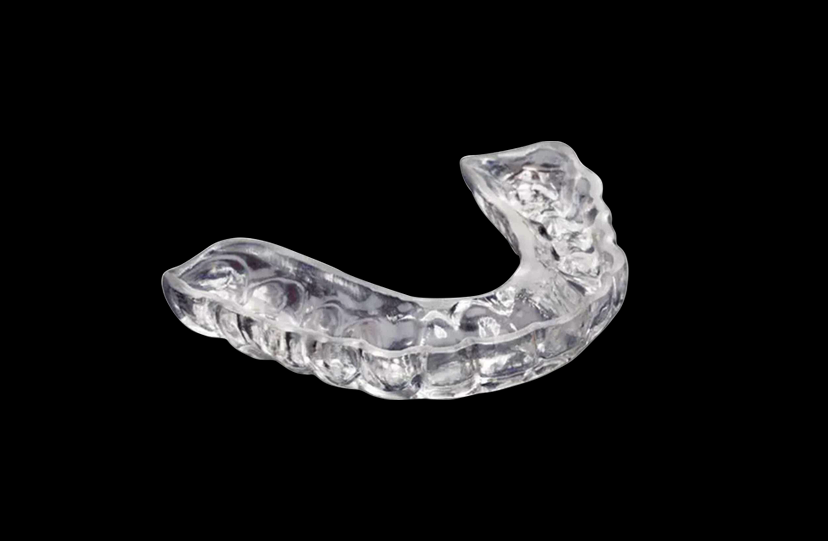
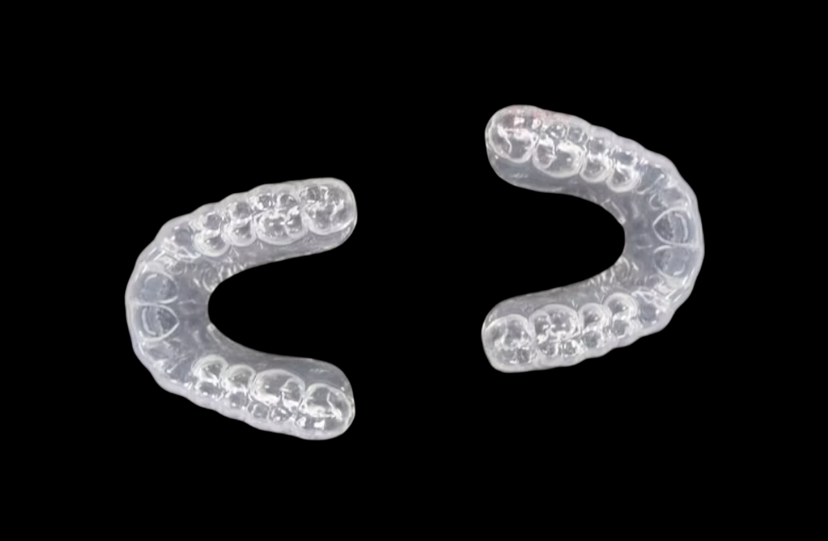
Bruxism patients can benefit from occlusal splints worn at night. These splints spread the forces of grinding across several teeth, putting less stress on individual crowns. When it comes to comfort and retention, custom-made guards are better than over-the-counter options.
Routine Professional Maintenance
Dental exams every six months include checking the integrity of the gum margins, looking at X-rays for secondary cavities, and professional prophylaxis to get rid of calculus. Serious failures can be avoided by finding cement washout or porcelain microfractures early on.
Dietary Precautions
Tell your patients to stay away from very hard things like chewing ice, unpopped popcorn kernels, and hard candy, which can break porcelain crowns even though gold is very strong. During the first few days after cementing, sticky substances may pull temporary cements off.
Expected Service Life
When taken care of carefully, PFM Yellow gold crowns can provide long-term service, with some restorations remaining functional for several decades. Actual service life varies according to case selection, occlusion, oral hygiene, material quality, and maintenance.
Key Takeaways
For difficult posterior restorations, PFM Yellow gold crowns offer favorable biocompatibility, marginal accuracy, and service life. Accurate fabrication and proper material selection may contribute to fewer adjustment requirements and predictable clinical workflows, and happier patients than dentists who use other materials. The bright gold color can reduce the appearance of gingival shadows, and the enamel-friendly wear properties may help protect the teeth next to them. Even though the materials are more expensive, the potential for long service life may support the total cost of ownership. If a practice values function and dependability over fashion trends, choosing suppliers with strong quality systems, quick turnaround times, and clear warranty terms can support consistent clinical outcomes and operational efficiency.
FAQ
Can PFM yellow gold crowns be used for anterior teeth?
Because they don't match the color of the tooth, PFM Yellow gold crowns are typically not a good choice for front teeth. At the gum line, the bright yellow color can be seen, especially if the tissue is thin or receding. Metal can be hidden by porcelain butt edges at the facial line angle, but full-contour zirconia or stacked all-ceramic restorations look better in the smile zone. Keep yellow gold for your back teeth when usefulness is more important than looks.
How do I justify the cost of yellow gold to patients compared to zirconia?
Gold is chemically stable, has a long clinical track record, and can provide accurate marginal adaptation when properly designed and fabricated. Consider the higher cost up front in relation to the expected service life and material characteristics. Talk about how gold's enamel-friendly wear properties may help protect opposing natural teeth, which can be especially helpful for people who grind their teeth at night. Show differences in gingival appearance with pictures and use published data on longevity to explain the value.
Is yellow gold still the best choice for patients with bruxism?
Yellow gold can be a suitable option, especially when the goal is to manage occlusal forces and reduce wear on opposing teeth. The hardness of yellow gold can be similar to that of natural enamel, which may help limit antagonist wear during grinding events. Even though zirconia is stronger, its effect on opposing teeth depends on surface finishing, occlusal contact, and clinical design. Recommend full-metal occlusal surfaces made of yellow gold with porcelain only on the front of the teeth when clinically appropriate. This can help balance functional performance and appearance.
What is the difference between yellow gold and white gold PFM crowns?
White gold metals have higher amounts of platinum or palladium, which can make them harder to melt and raise their melting point. Because it is stiffer, white gold can be suitable for long-span bridges that need a stable structure. Yellow gold can be suitable for single-unit posterior restorations and bruxism cases because it is more enamel-friendly and warmer at the edges that are exposed. Both can provide accurate margins, but the choice of material depends on the complexity of the case, the patient's esthetic preferences, and the opposing dentition.
How do I prevent the yellow metal from showing through the porcelain?
Make sure that at least 1.5–2.0 mm of the face is cut away when the teeth are being prepared so that the porcelain is thick enough. Tell your lab to use gold-tone opaque washes that go well with the metal substrate, then high-value secondary opaques to block the chroma before adding the dentin porcelain layer. Technicians have to thin the ceramic layers because the reduction isn't good enough, which lets the metal color show through the restoration. Make sure that the design of the framework includes the right coping thickness and oxide layer development for a strong bond between the porcelain and metal.
Are there any contraindications for PFM yellow gold crowns?
If you're not going to use full porcelain butt edges, don't recommend yellow gold for the most visible parts of the front of your teeth. Any metal may be visible and may not meet the patient's esthetic expectations. Very short clinical crowns may not have enough retention and resistance form, so all-ceramic choices that are adhesively bonded may be a suitable alternative. Patients who are known to be allergic to noble metals—which is rare but possible—need different materials. Layered zirconia or lithium disilicate can be considered for cases that need the most transparency to look like nearby real teeth.
What warranty should I expect from a yellow gold PFM supplier?
Reputable labs may back up fixed restorations with two-year guarantees that cover problems with the way they were made, issues with fit, and porcelain delamination that aren't caused by clinician mistake or patient damage. Warranty terms should include repair or reproduction during the warranty time, and there should be clear steps for filing a claim and getting it looked at. Make sure the warranty covers quick replacement production so that patient treatment schedules aren't thrown off by having to wait for a new one to be made.
How quickly can I receive PFM yellow gold crowns in urgent cases?
Usually, it takes three to five days from receiving the case to shipping it out. For urgent requests, labs that have their own casting or CAD/CAM milling equipment can usually provide faster services and deliver finished restorations within twenty-four to forty-eight hours. During the initial talks about the relationship, make sure you know your supplier's expedited delivery choices and any fees that come with them. Reliable express logistics partners can help ensure that packages arrive on time, which helps with tight clinical schedules and patient obligations.
What is a PFM Yellow Gold crown?
A PFM Yellow Gold crown is a porcelain-fused-to-metal dental crown that combines a high-noble yellow gold alloy framework with dental porcelain. The metal framework provides structural support, while the porcelain is layered to create the desired tooth shape and appearance. PFM Yellow Gold crowns are commonly considered for posterior restorations where strength, marginal adaptation, and opposing-tooth wear are important.
What are the main advantages of PFM Yellow Gold crowns?
The main advantages include favorable biocompatibility, good marginal adaptation, enamel-friendly occlusal behavior, corrosion resistance, and long-term clinical service when the case is properly selected and maintained. The warm color of the alloy can also reduce the appearance of dark metal shadows if the margin becomes visible.
Is PFM Yellow Gold better than zirconia?
Neither material is universally better. PFM Yellow Gold and zirconia have different material properties and clinical indications. PFM Yellow Gold may be considered when marginal adaptation, opposing-tooth wear, or limited space are important. Zirconia may be preferred when tooth-colored aesthetics, high strength, or metal-free treatment is a priority. The final choice should depend on the preparation, occlusion, aesthetics, and clinical requirements of the case.
Is PFM Yellow Gold suitable for posterior crowns?
Yes. PFM Yellow Gold is commonly considered for posterior crowns because posterior teeth experience significant occlusal forces. Its combination of a high-noble metal framework and porcelain can provide a balance between structural support, functional performance, and aesthetics.
Can PFM Yellow Gold be used for patients with bruxism?
PFM Yellow Gold can be considered for patients with bruxism or heavy occlusal forces. Its wear characteristics and resistance to chipping can be advantageous in selected cases. However, occlusal design, preparation, opposing dentition, and the use of an appropriate occlusal guard should also be considered.
How long do PFM Yellow Gold crowns last?
There is no single service-life figure that applies to every PFM Yellow Gold crown. Some restorations can remain functional for several decades when case selection, fabrication, cementation, oral hygiene, occlusion, and maintenance are favorable. Dentists should discuss expected service life with patients based on the individual clinical situation rather than relying on a fixed number of years.
What should dentists look for when choosing a PFM Yellow Gold supplier?
Dentists and dental laboratories should evaluate the supplier's alloy documentation, manufacturing capabilities, quality management system, case communication, turnaround time, warranty terms, and material traceability. It is also important to confirm whether the supplier can accommodate specific framework designs, porcelain requirements, and clinical instructions.
How is PFM Yellow Gold different from regular PFM?
PFM Yellow Gold uses a high-noble yellow gold alloy as the metal framework, while conventional PFM restorations may use different noble or base-metal alloys. The alloy composition can affect properties such as corrosion resistance, handling, marginal adaptation, rigidity, and appearance. The specific alloy should always be confirmed through the supplier's material documentation.
Can PFM Yellow Gold be customized for different clinical cases?
Yes. PFM Yellow Gold restorations can be customized according to preparation design, occlusal requirements, margin configuration, framework design, porcelain layering, shade selection, and the clinical instructions provided by the dentist. Customization is particularly important for complex posterior restorations and combination cases.
What information should I provide to a dental laboratory when ordering PFM Yellow Gold?
Dentists should provide accurate preparation information, intraoral scans or impressions, the desired shade, margin design, occlusal requirements, opposing dentition information, and any special instructions related to contacts, pontics, connectors, or porcelain coverage. Clear case information helps the laboratory design and manufacture the restoration according to the clinical requirements.
Partner with HYC for Premium Yellow Gold PFM Solutions
It has been twenty-two years since HYC started making high-precision yellow gold PFM restorations for dental offices and labs all over the world. Our production facilities are FDA-registered and CE-certified, and they use ISO 13485:2016 quality management systems to support consistent manufacturing and quality management. We only buy gold alloys from qualified sellers and maintain material tracking and compliance paperwork.
We can use both traditional lost-wax casting and more advanced CAD/CAM milling in our production, so we can make solutions that are 100% unique and fit the needs of your specific case. Standard turnaround includes shipping and is finished in three days. For urgent cases, flash services can be sent in twenty-four hours through dependable international rush companies. We stand behind the quality of our work by giving a two-year guarantee on all fixed restorations. During that time, if there are any problems with the way the restoration was made, we will fix them or make a new one for free.
When dental professionals choose HYC, they get great first-time fit accuracy, a low rate of remakes, and quick technical help from our English-speaking team. Because we care about accuracy, following the rules, and keeping partnerships stable, clinics that need reliability and clinical excellence trust us as a PFM Yellow Gold supplier. Visit hycdentallab.com or email our team at info@hycdentallab.com to talk about your case needs and experience the HYC quality edge.
References
1. McLean, J. W., & von Fraunhofer, J. A. (1971). The estimation of cement film thickness by an in vivo technique. British Dental Journal, 131(3), 107–111. https://www.nature.com/articles/4802708
2. ADA Council on Scientific Affairs. (2003). Biological effects of dental materials. Journal of the American Dental Association, 134(8), 1085–1088. https://jada.ada.org/article/S0002-8177(14)64831-0/fulltext
3. Christensen, G. J. (2007). Should resin-based composite dominate restorative dentistry today? Journal of the American Dental Association, 138(12), 1603–1605. https://jada.ada.org/article/S0002-8177(14)64355-1/fulltext
4. Pjetursson, B. E., Sailer, I., Makarov, N. A., Zwahlen, M., & Thoma, D. S. (2015). All-ceramic or metal-ceramic tooth-supported fixed dental prostheses: A systematic review of the survival and complication rates. Dental Materials, 31(6), 624–639. https://www.sciencedirect.com/science/article/pii/S0109564115001025
5. Rosentritt, M., Behr, M., & Handel, G. (2003). Fixed partial dentures: All-ceramics, fibre-reinforced composites and experimental systems. Journal of Oral Rehabilitation, 30(11), 1003–1011. https://onlinelibrary.wiley.com/doi/10.1046/j.1365-2842.2003.01176.x
6. Wassell, R. W., St. George, G., Ingledew, R. P., & Steele, J. G. (2002). Crowns and other extra-coronal restorations: Provisional restorations. British Dental Journal, 192(11), 619–630. https://www.nature.com/articles/4801436
YOU MAY LIKE
_1779414398631.webp "Malong Bridge(All-on-X)")