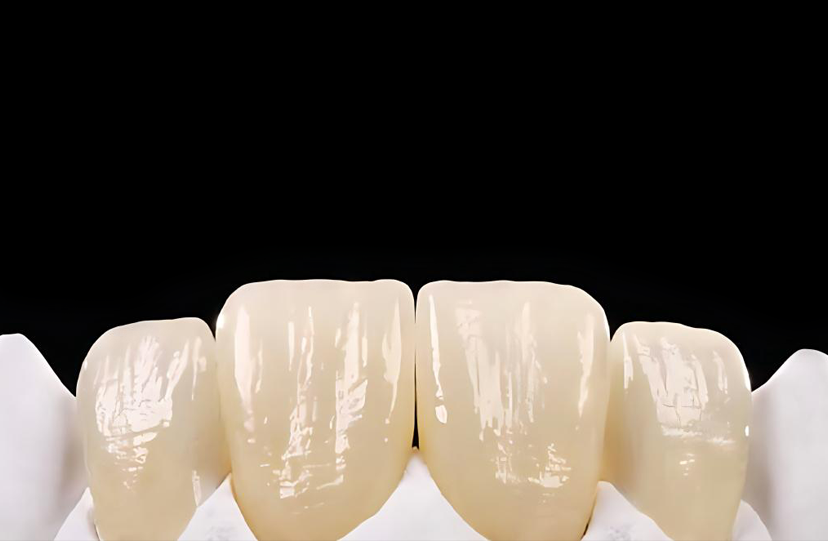
How to Improve PFM Crown Fit and Avoid Marginal Discrepancy & High Occlusion
How to Improve PFM Crown Fit and Avoid Marginal Discrepancy & High Occlusion
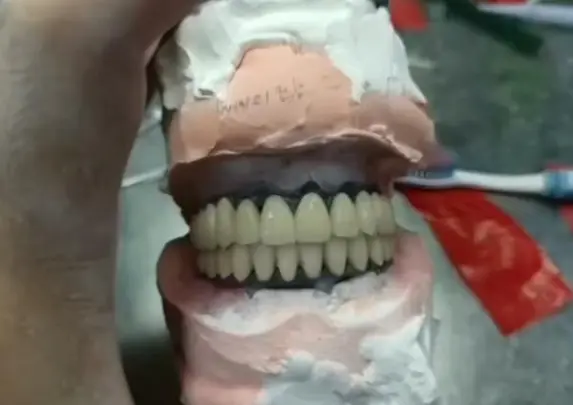
A Practical Guide for Dentists and Dental Laboratories
Porcelain-fused-to-metal (PFM) crowns remain one of the most widely used restorative solutions in modern dentistry. However, PFM crown fit issues, including marginal discrepancy and high occlusion, continue to be the leading causes of clinical failure and costly remakes.
Understanding the root causes—and how to prevent them—can significantly improve restoration success rates and reduce chairside adjustments.
What Causes Poor PFM Crown Fit?
In many cases, marginal misfit and high occlusion occur together, often indicating incomplete crown seating. These issues typically arise from a combination of clinical and laboratory factors.
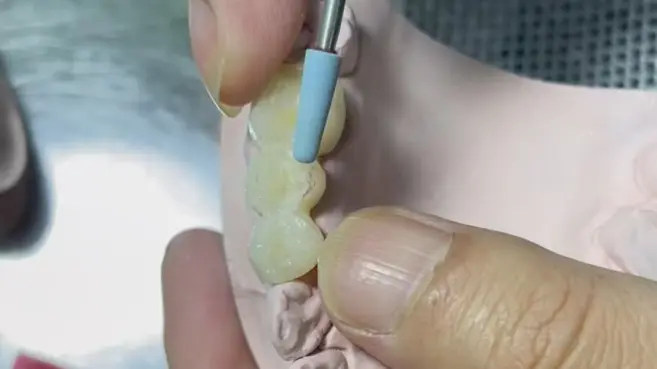
Clinical Factors Affecting Crown Fit and Occlusion
1. Tooth Preparation Errors
Improper tooth preparation is one of the most common causes of poor crown fit.
Rough or uneven surfaces can create interference points
Irregular shoulder margins reduce marginal accuracy
An inconsistent path of insertion prevents full seating
Ensure smooth preparation, clearly defined margins, and a uniform insertion path.
2. Inaccurate Impression Techniques
Without proper gingival management, achieving an accurate margin is extremely difficult.
Lack of gingival retraction leads to unclear margins
Low-precision materials increase distortion risk
Use gingival retraction (cord or paste) in conjunction with high-precision materials, such as silicone impressions.
3. Model Inaccuracy
The accuracy of the working model directly affects the final restoration.
An incorrect water-to-powder ratio alters expansion.
Non–high-strength stone reduces dimensional stability
Delayed pouring causes impression shrinkage
Use Type IV dental stone and follow strict mixing protocols. Pour models immediately after impression taking.
4. Bite Registration Errors
Incorrect bite records are a major contributor to high occlusion in crowns.
Wax bites are prone to deformation.
Transportation can distort occlusal records.
Use silicone bite registration materials or rigidly protect wax records during transport.
5. Lack of Temporary Crowns
Without provisional restorations:
Teeth may drift or over-erupt
Occlusion becomes unstable
Always provide well-fitted temporary crowns.
Laboratory Factors in PFM Crown Accuracy
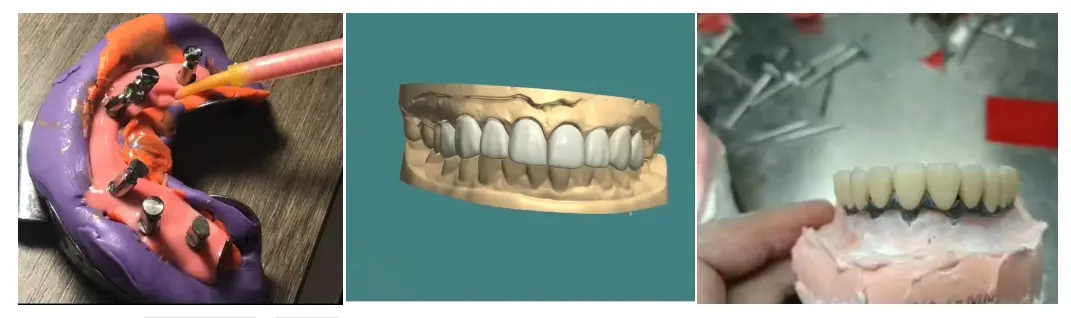
1. Die Preparation and Stability
Unstable or poorly repositioned dies can cause both marginal gaps and occlusal errors.
Ensure:
Accurate die seating
Secure and parallel die pins
Proper base stone hardness
2. Margin Integrity During Fabrication
Marginal discrepancy often occurs during:
Die trimming
Wax pattern fabrication
Metal coping and porcelain finishing
Key Point:
Even minor damage at the margin can compromise the entire restoration.
3. Occlusion Transfer and Adjustment
Errors in occlusal interpretation lead directly to high crowns.
Incorrect articulation
Wear of opposing models
Inaccurate lateral movement simulation
Use semi-adjustable or fully adjustable articulators for better accuracy.
How to Reduce Remakes and Improve Quality
Improving PFM crown quality control requires collaboration between clinicians and dental laboratories.
Standardize workflows
Improve communication between the clinic and the lab
Use high-quality materials
Follow strict technical protocols
Why It Matters
Poor crown fit not only affects function and comfort but can also lead to:
Secondary caries
Periodontal complications
Patient dissatisfaction
Increased remake costs
By minimizing marginal discrepancy and occlusal errors, both clinicians and labs can achieve more predictable and efficient outcomes
Our Approach at HYC Dental Laboratory
At HYC Dental Laboratory, we focus on delivering consistent, high-precision restorations through:
Advanced CAD/CAM technology
Strict quality control protocols
Experienced technicians with over 20 years of expertise
Reliable turnaround times
Our goal is to help our partners reduce chairside adjustments and improve patient satisfaction.
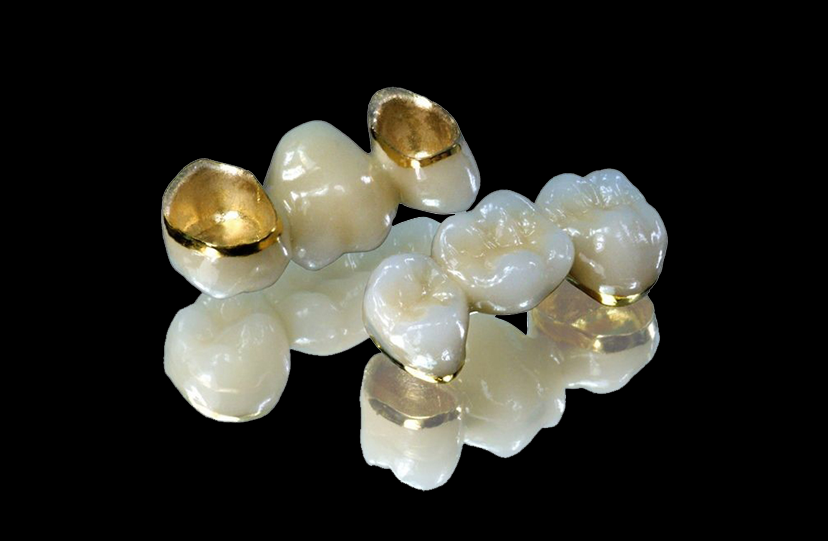
.webp "High-Noble Gold (HNG)")
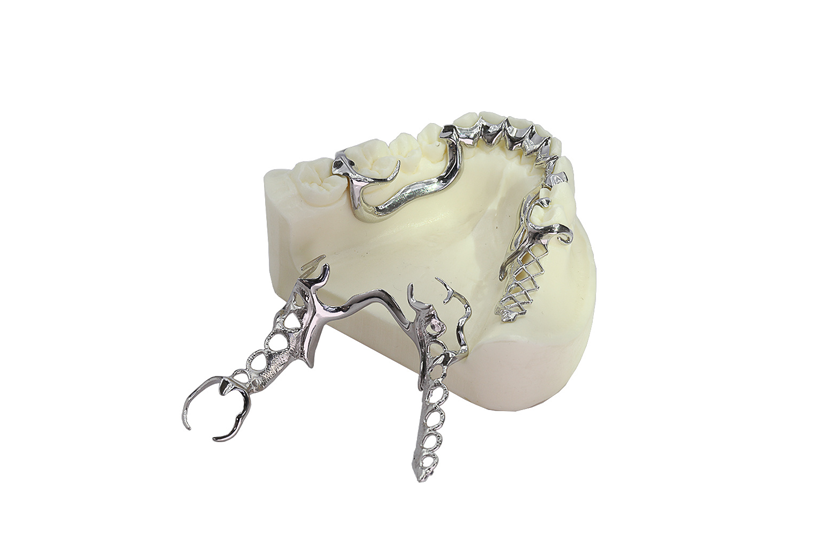
.webp "Co-Cr Crown (Cobalt-Chrome)")